Lose Weight with Intermittent Fasting, Protein, Fat and Resistant Starch
A soft, slow body is a poor instrument for the work ahead. Losing weight is not about punishing yourself. It is about giving the body a plan. This one has three parts: when you eat, what you eat, and one carbohydrate most people have never heard of.
When you eat: intermittent fasting
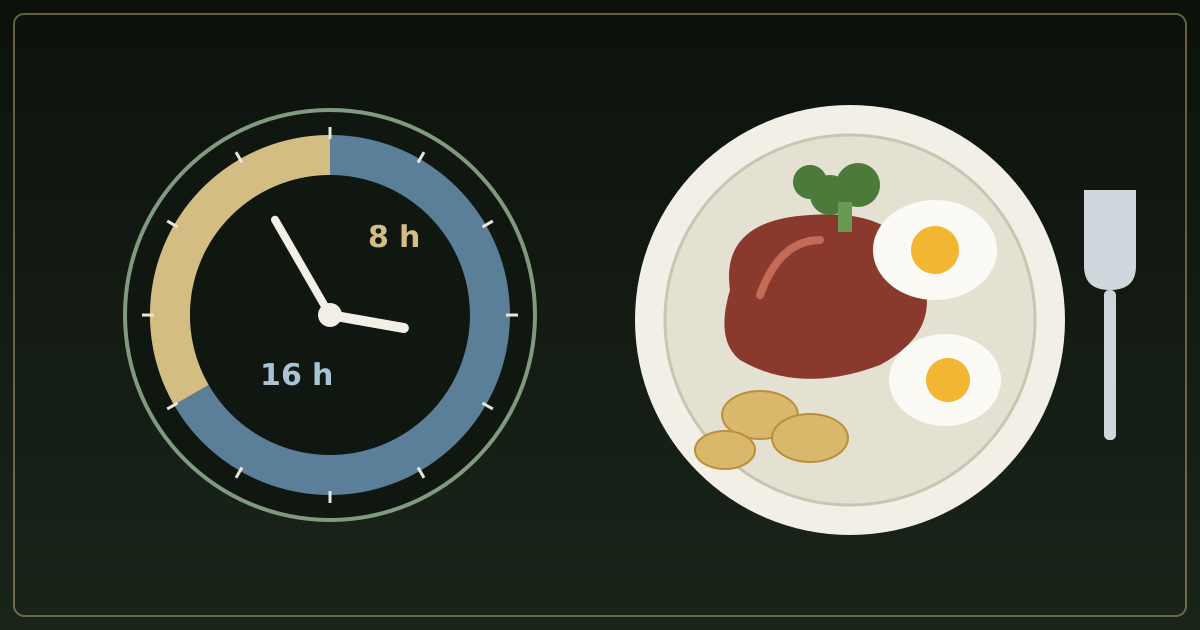
Intermittent fasting squeezes your eating into a set window. The most popular pattern is 16:8: fast for sixteen hours, then eat during the other eight. For many men that means a first meal at noon and the last bite before eight in the evening. During the fast, drink water, black coffee, or plain tea.
Be realistic about why it works. Studies comparing intermittent fasting with ordinary calorie cutting usually find similar weight loss. Its real advantage is simplicity: with fewer hours to eat, most people eat less without counting anything. Fasting also keeps insulin low for longer, which makes it easier for the body to draw on stored fat.
What you eat: protein and fat
Protein is the foundation. Aim for roughly 0.7 to 1 gram per pound of body weight each day. It protects muscle while you lose fat and keeps you fuller than any other food. Eggs, beef, poultry, fish, and dairy all do the job.
Fat keeps meals satisfying and keeps hunger quiet. Eggs, olive oil, butter, nuts, and oily fish are good sources. But "high fat" does not mean unlimited fat: a gram of fat carries nine calories, so a spoonful of oil still counts.
The overlooked carbohydrate: resistant starch
When you cook potatoes, rice, or pasta and then let them cool for several hours, part of the starch changes structure. This is called retrogradation, and the result is resistant starch. Your small intestine cannot digest it. It passes to the colon, where gut bacteria ferment it into short-chain fatty acids such as butyrate, which nourish the lining of the gut.
Resistant starch provides fewer calories than ordinary starch, may help you feel full, and may improve how your body handles blood sugar. The evidence in humans is promising but modest, so treat it as a useful extra, not a miracle. Other sources include green bananas, oats, and cooked-and-cooled lentils and beans. Add it slowly, because too much too fast means gas and bloating.
A sample day
- 12:00 Eggs cooked in olive oil, with sardines and greens.
- 3:30 Chicken thighs with cold potato salad dressed in olive oil.
- 7:30 Steak or salmon, rice cooked the day before, and vegetables. Kitchen closed.
Pair the eating plan with strength training three times a week and you will lose fat while keeping the muscle that matters.
Cautions
Skip fasting, or speak to a doctor first, if you are diabetic or take medication for blood sugar or blood pressure, have a history of disordered eating, are pregnant or breastfeeding, or are under eighteen. If you feel dizzy or unwell, eat.
The Church has always counted fasting among the disciplines of the faithful. A body under command serves the spirit instead of ruling it.
General information, not medical advice. Talk to your doctor before changing your diet, exercise, or supplements, especially if you have a medical condition or take medication.